JAPANESE STUDY
Use AI for Japanese practice you can check
Build a small routine for cards, listening, writing and reading, with clear examples and ways to check the help you receive.
Choose one job for the assistant
An AI assistant can help you prepare a Japanese exercise, compare two sentences or ask a follow-up question. Begin with something you can check. “Teach me Japanese” gives it too much room to choose a level, invent a lesson and decide whether you understood it. A smaller request lets you judge the answer and spend more of the session using the language.
Try this request: “I am practising polite requests. Give me one short situation at a library. Wait for my answer, then explain one correction in English.” You have named the language task, a setting and the kind of feedback you want. If the answer introduces unfamiliar grammar, ask for a simpler version using the form you are studying. You can change the request without changing your whole study plan.
Write your own answer before asking for a model answer. A rough sentence gives you something concrete to compare. Notice which part you could produce alone, which part needed a hint and which part you still cannot explain. Copying a polished reply into a notebook can feel productive while hiding those differences. Keep the original attempt beside the correction so you can see what changed.
Treat the reply as a suggestion you can question. Ask why a word fits this situation, what changes in a casual conversation and whether another expression would carry a different meaning. Check uncertain explanations against a suitable textbook, dictionary or teacher. A confident answer can still be wrong. You do not have to accept every correction or spend the evening arguing with an unclear one.
For today's session, choose one outcome: make a polite request at a library, understand a short announcement or recall the words from one paragraph. Finish by trying that task again without help. If you can do more of it yourself, you have a useful observation to bring into tomorrow's practice.
アシスタントに頼むことを一つ決める
AIアシスタントは、日本語の練習問題を作ったり、二つの文を比べたり、追加の質問をしたりする手伝いができます。まず、自分で確かめられることを頼みましょう。「日本語を教えて」だけでは、レベルも内容も、理解できたかどうかの判断もAI任せになります。小さな依頼なら、答えを確認しやすく、実際に日本語を使う時間も取れます。
例えば、「丁寧なお願いを練習しています。図書館での短い場面を一つ出してください。私が答えるまで待って、それから直す点を一つ、私の分かる言語で説明してください」と頼めます。練習すること、場面、欲しい助言が明確です。知らない文法が出たら、今勉強している形でもっと簡単にしてもらいましょう。学習計画全体を変える必要はありません。
模範解答を見る前に、自分の答えを書いてください。不完全な文でも、比べる材料になります。自分で書けた部分、ヒントが必要だった部分、まだ説明できない部分を分けて考えます。きれいな答えを写すだけでは、その違いが見えなくなります。最初の文と修正した文を並べて残しましょう。
AIの答えは、質問し直してよい提案です。その言葉が場面に合う理由、親しい人との会話ならどう変わるか、別の表現では意味が変わるかを聞けます。疑問が残る説明は、教科書や辞書、先生に確認してください。自信のある答えでも、間違うことがあります。すべての修正を受け入れたり、分かりにくい説明を延々と議論したりする必要はありません。
今日は、図書館で丁寧に頼む、短い案内を理解する、一段落の単語を思い出すなど、目標を一つ選びます。最後に、同じ課題を助けなしでもう一度試しましょう。自分でできる部分が増えたなら、明日の練習に役立つ記録になります。
Make a few flashcards you can trust
Start with a sentence you have already read and understood. Ask the assistant for a small set of possible practice questions from it, then choose the ones that test a useful distinction. A card should ask something you can answer clearly. If you need to guess which of several reasonable answers the model wanted, rewrite the question before adding it to your deck.
Here is a concrete distinction: 一冊 is read issatsu and counts one book or similar bound volume. 一枚 is read ichimai and counts one flat item, such as a sheet of paper. The sentences 本を一冊借ります and 紙を一枚ください mean “I will borrow one book” and “One sheet of paper, please.” In the first, 借ります means borrow; in the second, ください makes the request. Keep the noun and situation with the counter.
A useful card might show “One book” and ask for the reading of 一冊. Another might show the library sentence with the counter missing. Those cards test different things. Do not turn each example into a large collection of nearly identical cards immediately. Try a few, notice whether their questions are clear and correct anything confusing before generating more.
Check readings and meanings before you import a batch. The assistant can produce a plausible-looking reading that is incorrect. A wrong card is easy to repeat confidently once it is in a review routine. Keep a link or a short source note for a reading you needed to verify. If you discover an error later, correct the card and check related cards instead of assuming the mistake was isolated.
Anki's manual explains its question-and-answer cards and review choices. Let the application manage its supported review workflow rather than asking a chat model to invent a supposedly perfect interval for your memory. Your part is to answer honestly, inspect unclear cards and keep the workload manageable. If you are spending all your study time maintaining cards, pause new additions and return to reading something you enjoy.
確かめた内容で少しだけカードを作る
すでに読んで理解した文から始めましょう。その文を使った練習問題をAIに少し作ってもらい、役立つ違いを確かめられるものを選びます。カードの質問は、はっきり答えられる形にします。正しそうな答えがいくつもあり、AIの意図を当てなければならないなら、追加する前に質問を書き直しましょう。
例えば、一冊は「いっさつ」と読み、本などの数を表します。一枚は「いちまい」と読み、紙のような平たい物の数を表します。「本を一冊借ります」は本を一つ借りるという意味です。「紙を一枚ください」は紙を一つ欲しいときのお願いです。最初の文の「借ります」は、借りることを表します。次の文では「ください」がお願いを表します。数え方だけでなく、名詞と場面も一緒に覚えましょう。
「本が一つ」という意味を示して一冊の読み方を答えるカードと、図書館の文から数え方を抜いたカードでは、練習することが違います。すぐに似たカードを大量に作る必要はありません。まず少し試して、質問が分かりやすいかを見ます。分かりにくいところを直してから、次を作りましょう。
まとめて取り込む前に、読み方と意味を確認してください。AIは、もっともらしい間違った読み方を出すことがあります。間違ったカードでも、繰り返すと自信を持って答えるようになりかねません。確認に使ったリンクや短い出典メモを残します。後で誤りが分かったら、そのカードを直し、関連するカードも調べましょう。一つだけの間違いだと決めつけないことです。
Ankiのマニュアルには、質問と答えのカードや復習時の選択肢の説明があります。チャットに自分の記憶に完璧な間隔を考えさせるより、アプリの復習機能を使いましょう。自分は正直に答え、分かりにくいカードを直し、続けられる量に調整します。カードの管理だけで時間がなくなったら、新しい追加を休み、好きな文章を読む時間に戻りましょう。
Use listening tools as a comparison
Choose a short recording with a transcript from a source you are allowed to use. The Japan Foundation's Irodori Starter materials include lesson texts and audio. A few sentences from an appropriate lesson give you a manageable starting point. You do not need to process a whole episode or upload a large recording to get a useful practice task.
Listen once without reading. Write down the words or the situation you caught, including uncertainty. Then read the transcript and listen again. Choose one short phrase to repeat. Record yourself if that is comfortable, and compare the phrase with the source. Focus on something you can hear, such as a missed syllable, a long vowel or a pause that breaks a phrase in an awkward place.
You can ask an assistant to explain the transcript or prepare a comprehension question. If a speech tool provides a transcription, compare it with what you intended to say. A mismatch is a reason to investigate; it is not a reliable diagnosis of exactly what was wrong with your pronunciation. The microphone, background noise, recognition system and the utterance itself can all affect the result.
Do not treat a generic recognition score as proof that you have mastered pitch accent or sound like a speaker from a particular region. Different tools provide different kinds of feedback. Check what yours actually supports. For a pronunciation question you cannot resolve from the recording and a reliable reference, ask a qualified teacher or an appropriate language partner for focused help.
Keep the exercise short enough to repeat without frustration. After comparing one phrase, play the original passage once more and see whether you can follow it with less help. Save the phrase and the question you still have. Avoid a folder full of recordings you will never revisit. A specific observation, such as “I keep dropping the final vowel in this word,” is easier to use in the next session than a vague judgment that your Japanese is bad.
音声は比べるために使う
使ってよい音声と、その内容を確認できる文字資料を選びましょう。国際交流基金の『いろどり』入門には、各課の教材と音声があります。自分に合った課の数文なら、取り組みやすい出発点になります。役立つ練習のために、番組を全部処理したり、長い録音を送ったりする必要はありません。
最初は文字を見ずに聞きます。聞こえた言葉や分かった場面を、曖昧な点も含めて書きましょう。それから文字を読んで、もう一度聞きます。短い一節を選んで声に出し、抵抗がなければ自分の声を録音して比べます。音の抜け、長い母音、文の途中の不自然な区切りなど、耳で分かる点を一つ見つけてください。
AIには、文字資料の説明や内容確認の質問を頼めます。音声認識で文字が出るなら、自分が言いたかった内容と比べましょう。違いがあれば調べるきっかけになります。ただし、それだけで発音のどこが悪かったかを正確に判断することはできません。マイク、周囲の音、認識システム、話した内容のどれも結果に影響し得ます。
一般的な認識の点数を、アクセントを習得した証拠や、特定の地域の人のように話せる証拠にしないでください。得られる助言はツールによって違います。実際に何を評価する機能なのかを確かめましょう。音声と信頼できる資料だけで解決できない発音の疑問は、適切な先生や言語交換の相手に、具体的に聞いてください。
無理なく繰り返せる短さで終えましょう。一節を比べたら、元の文章をもう一度聞き、前より少ない助けで理解できるか確かめます。練習した一節と残った疑問を保存します。二度と聞かない録音を大量にためる必要はありません。「この単語の最後の母音が抜けてしまう」のような具体的な記録は、「自分の日本語は下手だ」という大きな評価より、次の練習に使いやすいものです。
Get one useful correction on your writing
Write a short message about an ordinary situation: borrowing a book, arranging a meeting or asking a friend about lunch. Tell the assistant who you are speaking to and what you mean. Register depends on the relationship and situation, so “make this correct” may not give you the kind of sentence you need. A message to a friend and a first email to a customer deserve different choices.
Ask for one correction at a time. You might say, “Keep my meaning and explain the most important change. Show my original sentence beside your suggestion.” That makes it easier to see whether the assistant corrected an error or simply preferred another style. If the revision changes your intention, point that out and ask for a version that preserves it.
For example, 本を読みます means “I read a book” or “I will read a book,” depending on context. The を marks 本 as the object, and 読みます is the polite verb form. A request to explain those parts gives you a small grammar task you can check. Do not assume every は marks a grammatical subject; in many explanations it is described as a topic marker, and the surrounding sentence matters.
After reviewing a correction, write a new sentence using the same pattern with a different noun or situation. Hide the model answer while you try. Then compare meaning and grammar. If you can explain why the form works in the new sentence, you have done more than copy a revision. If you cannot, ask a smaller question about the part that is unclear.
Use fictional names and situations for practice. Avoid pasting private emails, customer details or personal conversations into a service without understanding its data handling and having permission to share the material. You can practise a polite reply with an invented library request. Keep notes on recurring questions, but do not turn every sentence into a list of mistakes to fix at once.
作文では役立つ修正を一つ選ぶ
本を借りる、会う時間を相談する、友達を昼食に誘うなど、日常の場面で短い文を書きましょう。誰に話しているのか、何を伝えたいのかをAIに説明します。言葉遣いは相手との関係や場面によって変わるので、「正しくして」だけでは、欲しい文にならないことがあります。友達への連絡と、初めてのお客様へのメールでは、選ぶ表現も違います。
一度に一つの修正を頼みましょう。「伝えたい意味を変えず、一番大切な修正を説明してください。元の文と提案を並べてください」と言えます。本当の間違いを直したのか、単に別の書き方を好んだのかが見えやすくなります。修正で意図が変わったら、その点を伝え、元の意味を保った文を頼みます。
例えば、「本を読みます」は、文脈によって現在の行動や、これからすることを表します。「を」は「本」が動作の対象であることを示し、「読みます」は丁寧な動詞の形です。この部分の説明なら、小さく確かめやすい文法の課題になります。どの「は」も文法上の主語を示すとは考えないでください。話題を示す助詞として説明されることが多く、文全体を見る必要があります。
修正を確認したら、同じ形で名詞や場面を変え、新しい文を書いてください。考える間は模範解答を隠します。その後、意味と文法を比べます。新しい文でもその形が使える理由を説明できれば、修正文を写す以上の練習になります。説明できなければ、分からない部分を小さく区切って質問しましょう。
練習には架空の名前や場面を使ってください。データの扱いを理解せず、共有の許可もないまま、私的なメールや顧客情報、個人的な会話をサービスに貼り付けるのは避けましょう。図書館での架空の依頼でも、丁寧な返事は練習できます。繰り返し出る疑問は記録しますが、一つの文から見つかった間違いを全部まとめて直そうとしなくても大丈夫です。
Read first, then ask for a smaller hint
Choose a paragraph short enough that you can finish a first attempt. Read it without translating every word immediately. Note what you think is happening and underline one part that prevents you from following the main idea. That gives the assistant a specific problem to help with. You can return to the rest of the vocabulary after understanding the passage.
Ask for the smallest hint that will let you continue. “Explain this verb ending” or “What does this word mean in this sentence?” is easier to check than a request for a complete rewritten article. If the first explanation is too advanced, ask for familiar vocabulary and one short example. Keep the original passage visible so the explanation does not become a different reading task.
Try summarising the paragraph in your own words before viewing a full translation. You can use English or Spanish to check understanding, then attempt a short Japanese sentence at your level. Ask the assistant to identify a missing idea, rather than to praise the summary generally. Compare any proposed correction with the actual passage. A model can confidently supply context that was never in the text.
Furigana can help you connect a written word to its reading. Use it when needed, then try the same sentence with the reading hidden if that is appropriate for you. A reading alone does not explain a word's meaning or its role in the sentence. Keep separate notes for pronunciation, meaning and grammar when you are mixing them up. You do not need to remove useful support on a rigid timetable.
Use material you have permission to share, or quote only the small passage you need under the source's terms. Do not upload an entire paid book just to ask about one sentence. Finish by rereading the original paragraph and checking whether you can explain its main point. Save one useful expression with its context. That makes the reading session something you can revisit without collecting a large pile of disconnected translations.
先に読んでから小さなヒントをもらう
まず一度読み切れる長さの段落を選びます。すぐに一語ずつ訳さずに読んでみましょう。何が起きていると思うかを書き、大事な意味をつかむ妨げになっている部分を一つ選びます。AIに手伝ってもらう問題が具体的になります。ほかの単語は、文章の内容が分かってから調べても構いません。
読み進めるために必要な、最小限のヒントを頼みます。「この動詞の語尾を説明して」「この文ではこの単語はどんな意味?」なら、文章全体の書き直しより確かめやすいでしょう。説明が難しすぎたら、知っている言葉と短い例を使ってもらいます。説明自体が別の読解課題にならないよう、元の文章も見えるところに置きましょう。
全訳を見る前に、段落を自分の言葉でまとめてみます。英語やスペイン語で理解を確認し、それから自分のレベルで短い日本語の文にしてもよいでしょう。全体を褒めてもらうより、抜けた内容を一つ指摘してもらいます。提案された修正は、実際の文章と比べてください。モデルは、本文にない背景を自信を持って足すことがあります。
振り仮名は、書かれた言葉と読み方を結び付ける助けになります。必要なときに使い、自分に合うなら、後で読み方を隠して同じ文を読んでみます。ただし、読み方だけでは意味や文中の役割までは分かりません。混同する場合は、読み方、意味、文法を別々に記録しましょう。便利な助けを、決まった予定どおりに外す必要はありません。
共有してよい資料を使うか、出典の条件に従って必要な短い部分だけを引用してください。一文の疑問を聞くために、有料の本を丸ごと送る必要はありません。最後に元の段落を読み直し、大事な内容を説明できるか確かめます。役立った表現を一つ、文脈と一緒に残しましょう。関係のない訳文を大量に集めず、後で振り返れる読書の記録になります。
Keep a routine that leaves room for people
Decide when the session ends before opening a tool. A possible fifteen-minute plan is five minutes recalling a few checked cards, five minutes reading or listening to a short passage, and five minutes producing one sentence and checking it. This is a suggested routine, not a tested optimum. Adjust it to your needs and the activity you are doing.
On a busy day, keep one small action you can finish: recall a sentence, listen to a familiar phrase or reread yesterday's paragraph. Do not ask an assistant to reorganise your entire curriculum every time your schedule changes. A plan can help you choose the next action, but a chat model cannot know your memory or daily constraints perfectly from a few messages.
Keep a short note after the session. Record the expression you practised, the help you needed and one question for next time. After a week, try a similar task without looking at the answers. Compare the actual attempts. A longer chat history or a larger deck is not itself evidence that a word has become easier to recall in a conversation.
Use language partners and teachers for the kinds of interaction you want to develop. Practise asking for clarification, responding to an unexpected question and explaining something in a different way. Tell a partner what you would like to work on and ask whether that format suits them. Treat an exchange as a relationship with another person, not an unlimited correction service.
For your next session, choose one of the requests in this guide and keep the output small. Verify the part you are uncertain about, then try the task again yourself. For reference, the official Anki manual explains its cards and review workflow, and the Japan Foundation's Irodori site provides lesson materials and audio. The study sequence here is a practical suggestion; it does not promise a proficiency level, a fixed learning speed or a substitute for qualified pronunciation feedback.
When you return to a saved exercise, change one detail before answering: a different book, another meeting time or a new recipient. Keep the grammar goal the same. This gives you a way to check whether you can use the pattern beyond the sentence you remember, while keeping the comparison small enough to understand.
人と話す時間も残して続ける
ツールを開く前に、いつ終えるかを決めましょう。十五分なら、確認済みのカードを思い出す時間に五分、短い文章を読むか聞く時間に五分、自分で一文を作って確かめる時間に五分、という案があります。最適だと実証された配分ではなく、試すための一例です。自分の都合や練習内容に合わせて変えてください。
忙しい日は、最後までできる小さなことを一つ残します。一文を思い出す、知っている一節を聞く、昨日の段落を読み返す、といったことです。予定が変わるたびに、AIに学習計画全体を作り直させる必要はありません。計画は次の行動を選ぶ助けになりますが、少しの会話だけで、モデルが自分の記憶や毎日の事情を完全に理解するわけではありません。
終わったら短いメモを書きます。練習した表現、必要だった助け、次に聞きたいことを一つ残しましょう。一週間後に、答えを見ず、似た課題に取り組みます。実際に書いた文や答えを比べてください。会話履歴が長くなったり、カードが増えたりしただけでは、会話中に単語を思い出しやすくなった証拠にはなりません。
身に付けたい会話は、言語交換の相手や先生とも練習しましょう。分からないことを聞き返す、予想していなかった質問に答える、別の言い方で説明する、といった練習ができます。相手に練習したいことを伝え、その方法でよいか尋ねてください。言語交換は人との関係です。無制限に添削してもらうためのサービスではありません。
次の勉強では、このガイドの依頼を一つ選び、答えの量を小さくします。疑問のある部分を確認し、それから自分でもう一度試しましょう。参考資料として、Ankiの公式マニュアルにはカードと復習の説明があり、国際交流基金の『いろどり』には教材と音声があります。ここで提案した学習の順序は、特定のレベルや速さでの上達を約束するものではなく、専門的な発音指導に代わるものでもありません。
保存した練習を再開するときは、答える前に一つだけ条件を変えましょう。本を別のものにする、会う時刻を変える、話す相手を変える、といったことです。練習する文法は同じにします。比較を分かりやすい範囲に保ちながら、覚えた一文以外でもその形が使えるかを確認できます。
Put this idea into practice
Keep reading
Read a Japanese Release Note and Say Exactly What It Claims
Work through one real VOICEVOX 0.26.1 entry and paraphrase it in English or Spanish while keeping the changed parts and the stated purpose.
Autonomous Intern 2: Practise Giving Clear Instructions
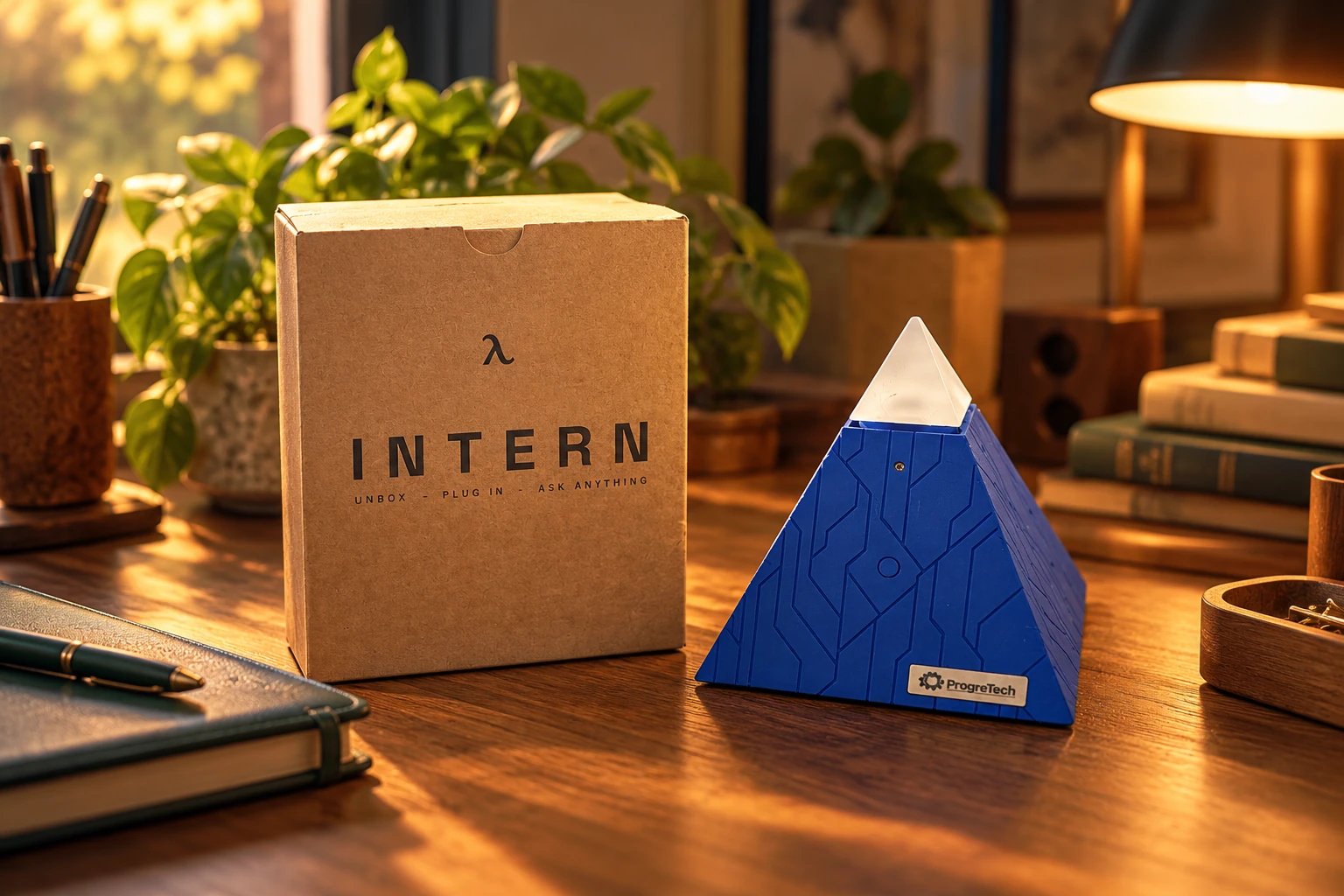
Meet the desktop AI agent device and practise Japanese requests, draft reviews, and checking results.
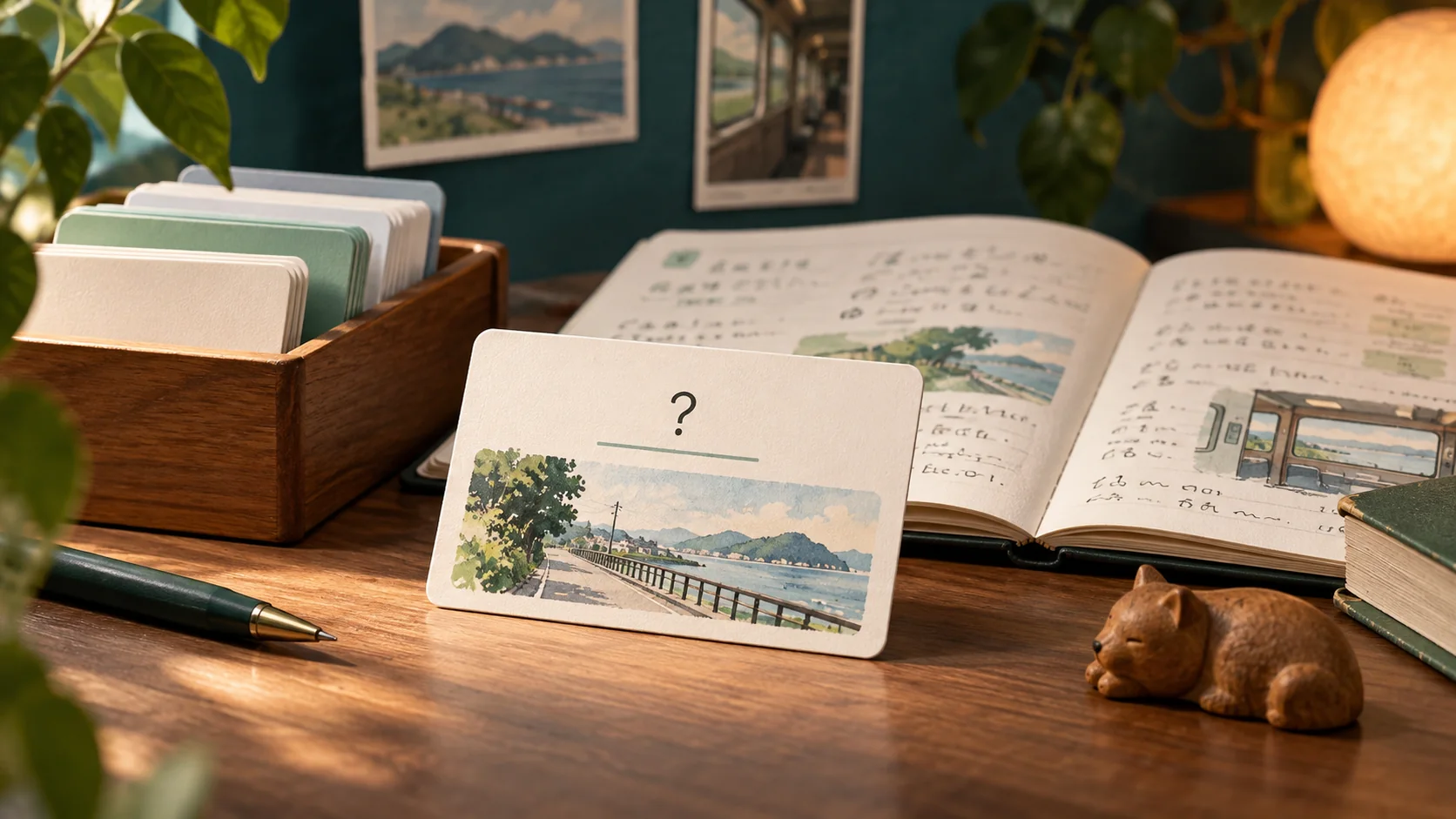
Better Japanese Anki cards: keep the context, shrink the question
Turn an overloaded Japanese flashcard into a clear recall task, with original examples and a practical rule for editing frustrating cards.